
East End Oral Surgery

What You Should Know About Jaw Reconstruction Surgery

Sometimes jaw problems may require more than orthodontic treatment. Jaw surgery, also known as orthognathic (or-thog-NATH-ik) surgery, can be a great choice for moderate to severe jaw issues. Oral and Maxillofacial Surgeons (OMS) are specially trained in orthognathic surgery that can dramatically improve chewing, speaking, breathing, and in the process enhance a patient’s appearance. If you are considering orthognathic surgery, here are some important things to know.

Why You May Need It. Most conditions that require corrective surgery are the result of abnormal growth of the jaws as they develop. These conditions are often inherited. Other less common causes are facial injury or arthritis of the jaw joints.

Orthognathic surgery may be indicated for the following conditions:

What-to-Know-Jaw-Surgery-2-Difficulty biting, chewing or swallowing food

-Excessive wear or breakdown of teeth

-Chronic jaw or jaw joint pain caused by TMJ (temporomandibular joint disorder) or other jaw problems

-Improve “gummy” smiles, where the lips don’t fully close and show large areas of the gums or “toothless” smiles, where the lips cover all of the teeth

-Facial imbalance, including underbites, overbites, crossbites, and deficient chins

-Sleep apnea

Treatment Team. While we will plan and perform the actual surgery, we will also be working with your dentist and orthodontist for the full course of treatment. Most treatment includes braces for 9 to 18 months before surgery to level and align your teeth. After your jaw heals from surgery, which typically takes about 6 weeks, your orthodontist will finish your alignment and remove the braces. Depending on the severity of your jaw problem, the entire treatment process can take from 12 to 24 months. We know that this is a long-term commitment and we will do our best to minimize the length of treatment and provide you with the best estimates of what will be required.

What to Expect. Jaw surgery can be performed on the upper jaw, lower jaw or both. It is best to perform the surgery after growth stops, usually ages 13 to 15 for females and 16 to 18 for males. Jaw surgery usually can be performed entirely inside your mouth, so no facial scars show. Once your jaws are properly aligned, screws and bone plates secure the bones into their new position. In some cases, extra bone may be added to the jaw. In this case, we transfer the bone from your hip, leg or rib and secure it with temporary wires.

Surgery can take place in an in-patient or outpatient setting, depending on the procedure required. Facial swelling, while variable, is common and increases for a couple of days following surgery before it subsides. More subtle changes in your appearance will continue for up to a year. For this reason, our students generally choose to have the surgery during school vacations. For adults, one to three weeks is usually required before returning to work.

Jaw surgery can enhance your comfort, appearance, and improve your overall health. We are here to answer any questions you have. Please make an appointment for a consultation so we can review the potential of this life changing treatment with you!

Grow Your Own Bone? Bone Grafting Is Routine

GrowYourOwnBoneIt seems like something out of a science fiction movie, but with our help, you can easily re-grow bone to treat many common disorders in the mouth and make it dental-implant ready! Bone grafting is a common procedure done right in our office. Here is a simple explanation of this effective treatment option.

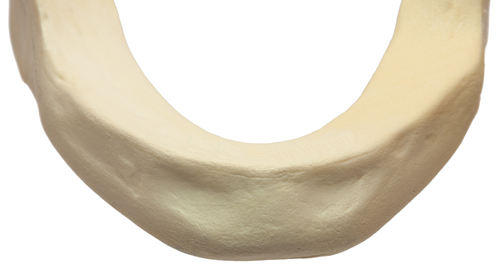
Reasons for Bone Grafting. There are many different reasons that a person loses bone support in the jaw. Sometimes it is due to injury, sometimes it because of missing teeth, and other times it is a due to a developmental defect or periodontitis. Bone graft surgery, also called regenerative surgery, is used to replace bone and soft tissue by actually stimulating the body’s natural ability to re-grow the lost tissue.   If your jawbone is inadequate to support dental implants, bone grafting can be used to build a sturdy foundation for implant-supported teeth.

It’s A Natural Process. With bone grafting surgery, a piece of bone is removed from another area of your jaw or your body, often the hip, and is transplanted into your jawbone. Sometimes we may use donor or synthetic graft material. Your body uses the implanted bone graft material as a frame on which it can grow new bone. Over time and with your body’s own healing mechanisms, the grafted bone fuses and becomes an integrated part of your existing bone. Bone grafting is a safe and very successful procedure that can be done in the office under local anesthesia. After the procedure, you will be given antibiotics and pain medication if needed. Swelling can be treated with ice packs applied to your face. Most patients proceed with their normal life the next day. Be sure to follow medication instructions and keep your mouth as clean as possible while you heal.

Healing Times. Healing time following bone grafting depends on the amount of bone loss and the location of the graft area. Maintaining a healthy amount of bone tissue around your teeth is crucial to keeping up your oral health. We are more than happy to explain different materials and techniques that can be used for an optimal outcome.

Bone grafting allows your body to rebuild itself. It can be a great way to restore your natural jaw line and smile. Let us help you decide if bone grafting is the right procedure for you!

Are You a Good Candidate for Dental Implants?

Are You a Good Candidate for Dental ImplantsIt’s estimated that 125 million Americans are missing at least one tooth. If you are one of them, you may be considering dental implants for tooth replacement. We think it’s important for you to know what factors make a person a good candidate for such a procedure. Here are a few things to consider.

Most People Are Good Candidates. Dental implants can replace one, several, or all of your teeth. They can be used in place of bridges or dentures. Good candidates have healthy gums and are old enough so that their jawbone has stopped growing. You should also have enough bone to support and anchor the implants. Even if you have lost bone in your jaw, however, you may still be a good candidate for implants. In fact, dental implants may be recommended to prevent further bone loss. In these situations, bone can actually be rebuilt with grafting procedures as part of the implant process.

Evaluation. Successful implantation starts with a thorough evaluation of your jaw, teeth, mouth and overall health. You will receive a mouth X-ray and possibly a Computed Tomography (CT) scan. This will help us identify areas of bone loss and carefully see the shape of your sinuses and nerve location to make accurate assessments for your treatment. We will also do a thorough medical evaluation, as your overall health and history plays a big role in how well your implant will heal and fuse to the bone.

People At Risk of Poor Outcomes. Uncontrolled diabetes, cancer, radiation to the jaws, smoking, alcoholism, or uncontrolled gum disease are all risk factors that can adversely affect your outcome. You may still be a good candidate with one of these diseases, but we’ll want to thoroughly assess your situation and work with you and your doctor to increase your overall health and functioning. People who take certain medications, such as steroids or drugs that suppress the immune system may not be suitable candidates, either. And people with certain habits, such as people who severely grind or clench their teeth may put too much pressure on the implants, causing long term damage.

Overall, dental implants have a very high rate of success and patients tell us how happy they are with the outcome. If you are considering implants, we can complete a careful examination to determine what options are best suited for you. Call us today to make that appointment!


Common Causes of Facial Trauma

Intypes of facial traumajuries to the face and mouth are emotionally upsetting as well as physically damaging. It’s extremely important to have medical and dental care by experts who know how to address the psychological, medical, and aesthetic elements of recovery. This blog will cover the most common causes of facial trauma and the types of injures that may occur. As with most injuries, prevention is the best medicine, so we will cover tips in avoiding facial trauma all together!

Most Common Causes of Facial Trauma: There are many ways in which the face can be damaged. Accidents, falls, automobile crashes, work related injuries, and interpersonal violence are among the most common causes for adults. For children, sports related injuries are the leading cause. Children who participate in contact sports, cheerleading, and gymnastics are especially at risk, especially for dental trauma. Dental trauma accounts for 17% of injuries to the body for children, according to the American Dental Association, compared to 5% across all ages. It is most frequently observed in males compared to females, and usually involves the front teeth.

Types of Injuries: Every year about 3 million people are treated for facial trauma according to the American Association of Oral and Maxillofacial Surgeons. Soft tissue trauma includes any cuts to the face or gums. Avulsed, or knocked out teeth are another type of injury, and must be dealt with immediately to increase the chances for reimplantation. Bone injuries, such as fractured jaws, cheekbones, and noses can also occur as well as damage to the nerves in the eyes, face and salivary glands. It is extremely important to have facial trauma assessed and treated by an expert in facial trauma. Besides the aesthetic reasons, serious health complications can occur, even from a small amount of damage. Depending on the location of the injury, speech, swallowing, and breathing can be affected. For dental injury, teeth that are loose in their sockets can make eating difficult and cause speech impediments. Chipped, broken, or misaligned teeth can cause TMJ and other functional problems, in addition to the loss of confidence in your appearance.

What You Can Do to Prevent Injuries: Using a mouthguard during sports or other high-risk activities is the most effective way to prevent injury. Studies in high-risk populations for facial trauma show relatively low compliance in using mouthguards. We can also recommend helmets, face shields, and protective eyewear that can further reduce your risks. The spring season seems to bring an increase of children to the emergency room as kids are eager to get on their bicycles, skateboards, and swing sets. As a parent, educate your child in safety measures and supervise their activity.

What’s In a Bone Graft?

The practice of bone grafting is nothing new. In fact, it goes back hundred of years to a time when a Dutch doctor implanted a dog’s bone into an injured soldier’s skull. The soldier later wanted it removed but it could not be removed, as it had bonded so closely to the bone. This brings up a very common question that we hear in our practice: What is a bone graft made of?

Whats-In-a-Bone-Graft

What the Dutch doctor didn’t know was that the implanted bone was likely resorbed by the patient’s body and replaced with his natural bone. This natural process is called “guided bone regeneration”, and it is one of the reasons that bone grafting has worked so well over time!

Naturally, patients are concerned about where their bone grafting material has come from. But in all cases, we stress that the material that we implant is not the final material that you will have in there. Bone grafting material is really just a place-holder, it encourages (and fools) your body into producing more bone in that site, and in the process resorbs the material that we have implanted.

Here are some common sources for bone grafts:

  • The skull, hip, and lower leg bones are very effective and common donor sites.
  • Tissue banks may be used when more bone is needed.
  • Shavings: If we drill into your jaw, naturally there will be shavings that are produced during the procedure, and often they make ideal bone grafting material!
  • Synthetic bone grafting materials.

It is natural to be concerned about what type of tissue we are implanting into your body! Please don’t hesitate to ask us questions about this or your other upcoming procedures.

Are Dental Implants Worth It?

What’s involved in a dental implant? Do they hurt? Can anyone get them? There are a lot of questions surrounding dental implants but one thing is certain; they’ve been reconstructing smiles for over 35 years with amazing results. But what’s the fuss surrounding dental implants and are they really worth it? Lets answer some question to help you decide for yourself.

Are Dental implants worth it

Can anyone get a dental implant? Anyone who is healthy enough to get a dental implant can get one as long as they have enough bone to hold the implant. This is where bone grafting comes in for those who have been told their jawbone won’t hold an implant. Keeping up with regular oral hygiene is also an important factor and heavy smokers may be told it’s not a safe option.

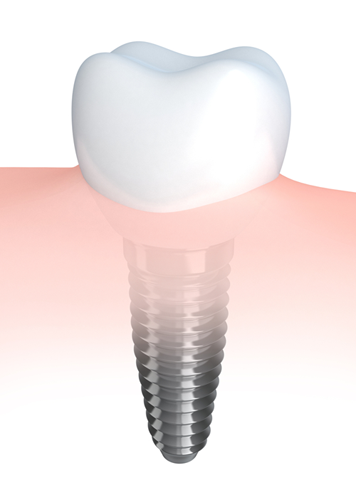
What exactly is a dental implant? A dental implant replaces your tooth root with a metal rod. It provides a solid structure on which to place a new tooth that is made to match your real teeth. Dental implants not only improve the overall look of your smile but they’re durable, convenient, and easy to take care of.

What are the steps to getting a dental implant? As your doctor, we will want to develop an individualized treatment plan that focuses on your specific needs. Once we have agreed on a treatment plan, the next step will be the placement of the implant in your jaw. The implant is made of titanium and once placed the jawbone will actually begin to grow around it. In about six to twelve weeks the implant will have completely bonded to your jaw and it will be time to attach a small post that connects your new tooth to the implant. We create a mold of your bite that allows us to create your new tooth. This replacement tooth is then attached to the post and the implant process is complete!

Lastly, how painful are dental implants and are they difficult to take care of? Most patients have said they experienced very little discomfort when receiving their implant. Many have even said the process is much less painful than a tooth extraction. Mild pain that may occur for a few days after you receive your implant can be treated with over-the-counter pain medication. Dental implants require the same care as your real teeth but generally they are much easier to clean and you don’t have to worry about cavities.

We hope this answers some of the questions surrounding dental implants. If you’re missing a tooth or teeth, give us a call to ask more about the procedure. We’ve seen many patients leave happy and comfortable with their improved smile!

Facial Injuries – What Do I Do?

It’s important to know what to do when you or someone close to you has been injured, especially when it comes to facial injuries. The inside of your mouth is made up of delicate soft tissues that when cut can become infected and easily damaged if the wound isn’t taken care of quickly. Anyone who has had a facial laceration knows that there is a high degree of emotional and physical pain involved when it comes to a facial laceration. So what should you do?

Facial-Injuries

A laceration is a tear or jagged wound and is usually caused by blunt trauma. If you’ve been in an accident and there is any kind of trauma to your face, it is important to seek emergency assistance right away. Lip lacerations are one of the most common types of facial injuries and require careful repair. Lacerations are closed using silk or gut sutures and are done carefully in order to prevent any cosmetic damage. If a tooth is knocked out you should place it in salt water or milk as soon as possible. The sooner the tooth is placed back into the dental socket, the better chance it has of surviving. Do not clean or wipe off the tooth since there are crucial parts of the tooth that could become damaged.

Replanting teeth and treating tooth fractures can be handled by an oral surgeon along with facial trauma but if you have been involved in a serious accident you should go to the closest hospital emergency room as soon as possible. Facial bone fractures cannot be treated with a cast like other parts of the body. The surgical placement of plates around the affected area is a recent development in medicine that allows for a faster recovery time and involves the fewest incisions necessary.

Any kind of traumatic injury to your face is serious and should be addressed immediately to prevent further damage and scaring. If you’ve had a recent injury and think you may have a facial bone fracture, call us immediately to schedule a consultation.

Dental Implants- Learning the Basics

Did you know that over 69% of adults in America are missing at least one tooth?  Whether it is from an accident, neglect, or even being born without certain teeth, not everyone is supporting a full set of teeth. There are many solutions to replacing missing teeth, each with its own benefits. With the influx of technology and precision of modern dentistry, dental implants are becoming more affordable, and are the premier long-term solution for missing teeth. Dental bridges tend to be a cheaper alternative to dental implants, but over time a single dental implant is generally more cost-effective. Dental implants can last decades or even a lifetime, which allows a patient to treat the implant as they would their real teeth, and continue on with life without having to worry about them. Whether you’re in the market for one tooth, or multiple teeth, dental implants not only can lower your overall healthcare costs, but also increase your quality of life!

Dental-Implants-learning-the-basics

How the implant works: 

In place of the original root where the tooth was, a dental implant is connected to the existing bone, as a base, and can then stably hold the new (fake) tooth in place.

Am I a candidate for dental implants?

The quick answer is: “most likely yes.” Restrictions such as age do not apply to the possibility of receiving dental implants. There are very few restrictions that would prevent a patient from receiving dental implants and they include: Those who do not have enough existing bone in the jaw, and those who have had radiation to the jaw (from cancer or similar treatments), which could prevent fusion of implant to the bone. Recent studies have even shown that even patients with diabetes have little to no restrictions in the ability to receive dental implants.

If you are interested in dental implants, give us a call today and see how we can help you!

Head & Neck Cancer Self Exam

Regular oral pathology exams are extremely important when it comes to preventing head and neck cancer. When you visit us make sure to ask about the exam if you haven’t had one before or have noticed anything strange on the inside of your mouth. It’s also good to perform an oral pathology check on yourself from time to time. Let’s go over how to do an at-home check and what you should be looking out for.

Head-and-Neck-Cancer-Self-Exam

Step 1: Know what you’re looking for. Oral cancer signs include:

  • A difference in color in one particular area
  • A change in texture
  • Lumps of any kind (especially if it’s something you haven’t noticed before)
  • Lesions

Step 2: Take a bright light such as a flashlight and while looking in a mirror, check the following:

  • Tongue
  • Lips
  • Cheek walls
  • Top and bottom of mouth
  • Back of throat

If you notice any of the above signs, give us a call immediately to schedule an appointment. It’s also beneficial to perform an extra-oral screening. When performing an extra-oral exam on yourself, you want to feel for any lumps or bumps. Here are the steps for doing this exam at home:

Step 1: Place your hands on the back of each side of your jaw under your ears. Open and close your jaw while feeling for any bumps.

Step 2: With your hands in the same position work your way down your neck.

Step 3: Turn your head to the right and feel your left side-neck muscles. Turn your head left and feel your right side neck muscles.

Step 4: Grab your gullet and swallow.

Step 5: Put your chin down and with your palms facing away from you feel the underside of your jaw with your fingers.

We hope we don’t have to see you in the office if you’ve discovered something wrong but we are here to help. We can catch the early signs of oral cancer! If you feel anything strange, call us to schedule an appointment.

The Science Behind Oral Cancer

Can drinking coffee really help prevent oral cancer? What about different types of foods? Numerous studies have been published that claim certain foods and drinks can prevent oral cancer but when it comes to a disease that will affect 43,250 people this year, it’s important to get the facts.

The-Science-Behind-Oral-Cancer

Oral cancer, also referred to as mouth or head and neck cancer, occurs when there is a problem with the lifecycle of a normal, healthy cell. Cells are supposed to grow and divide into new cells as your body needs them but when this process goes wrong, your body over produces cells. These extra cells can cause a tumor to form. Depending on the type of cells in the tumor, it could be cancerous or benign.

Some studies may say they have proof that a specific food or drink helps to prevent mouth cancer but in reality the best way to prevent the disease is to avoid certain risk factors like smoking and drinking. Drinking in excess accompanied by smoking makes you highly susceptible to the disease and should be avoided.

Most oral cancers start in the tongue in what are called the flat cells and they can spread to other parts of the body if they aren’t caught early (in doctor lingo, cancer of these flat cells is called squamous cell carcinoma). Interestingly, when these oral cancer cells spread to other parts of the body such as the lungs, they are still considered oral cancer cells rather than lung cancer cells. Where these abnormal cancer cells begin is what they will always be referred to as, regardless of where they spread.

Doctors still don’t know why one person gets oral cancer while another person does not, but it is important to note that oral cancer is NOT contagious. Avoiding risk factors and eating healthy is key to preventing oral cancer. Make sure to visit us regularly so we can check for signs of oral cancer!